Underbalanced Drilling (UBD)
Drilling with bottom-hole pressure intentionally below formation pressure to protect and evaluate the reservoir.
Overview
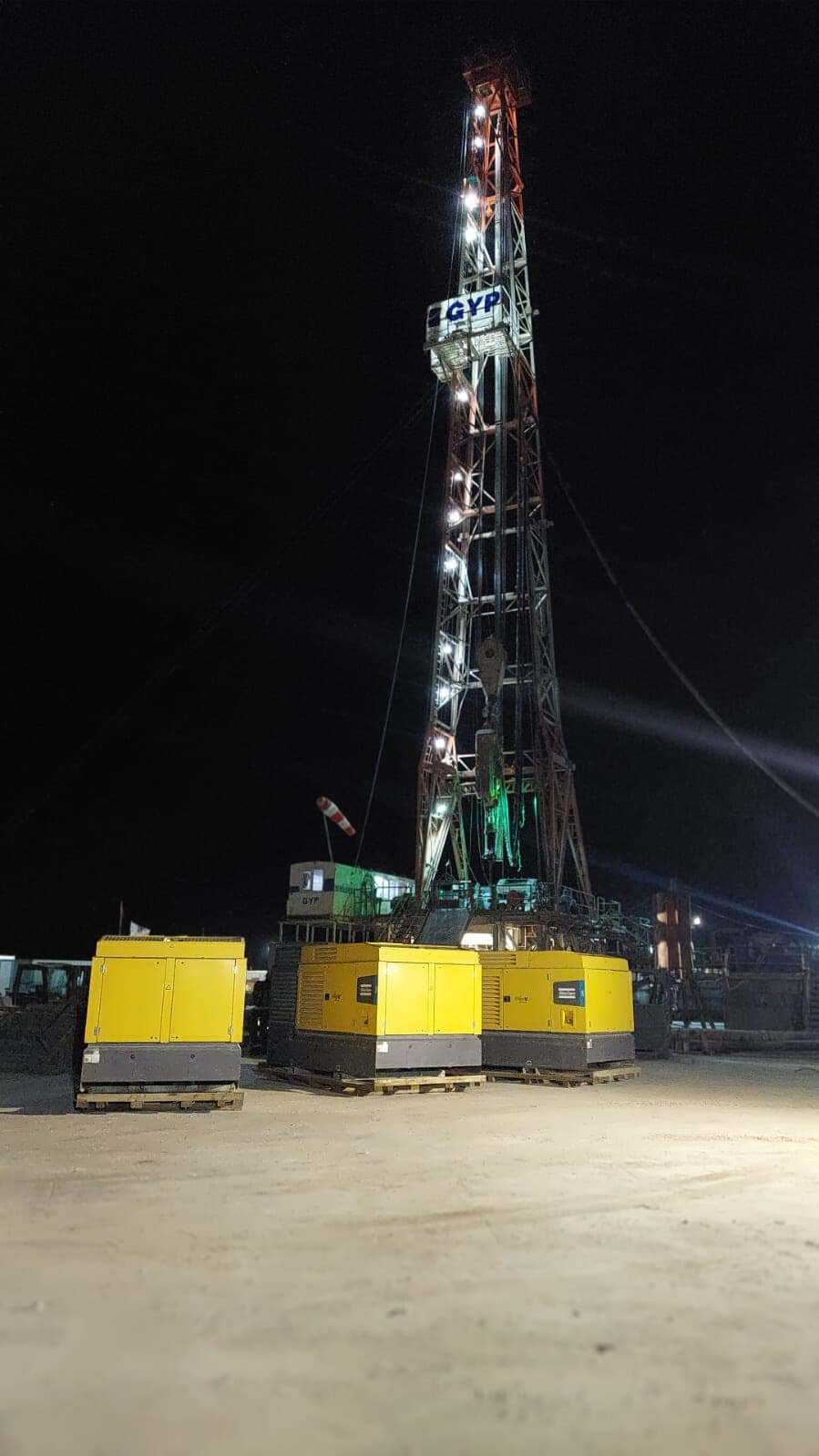
Underbalanced drilling (UBD) keeps bottom-hole pressure intentionally below formation pressure, so the reservoir flows in a controlled way while you drill. We run a fully closed-loop system — RCD, four-phase separator with 5,000-psi choke manifold and flare stack, compressors, boosters, nitrogen units and mist pumps — to eliminate formation damage, evaluate the reservoir in real time and keep losses and differential sticking to a minimum. This is the discipline at the core of our work for TPAO.
Key benefits
- Minimised formation damage and skin
- Increased productivity in sensitive reservoirs
- Real-time reservoir evaluation while drilling
- Higher penetration rates and reduced losses
Typical applications
- Reservoir characterisation programs
- Naturally fractured and depleted reservoirs
- Formations prone to differential sticking
Equipment we run for this service
A self-sustaining, field-proven spread — owned, maintained and operated by our own crews.
Rotating Control Device (RCD)
Seals the annulus while the drill string rotates and safely diverts returns to the separator — the heart of every underbalanced and managed-pressure operation.
Choke Manifold
A 4", 5,000-psi double-gut manifold with a PLC-controlled automated choke and remote-operated valves that sets and holds the precise backpressure used to control the well.
Four-Phase Separator
Closed-loop surface vessel that cleanly separates gas, oil, water and solids from the returns, handling up to 30,000 bbl/day of fluid and 40 MMscf/day of gas. Built to ASME VIII and ABSA standards.
Flare Stack
A 45 ft hydraulically raised flare stack with electronic igniter and propane pilot that safely burns off produced gas during underbalanced and managed-pressure operations.
Data Monitoring System
Continuous real-time monitoring of injection and choke pressures, gas and fluid flow rates, choke position and fluid gain/loss — giving the crew full visibility and early kick detection.
Accumulator Unit
A 42-gallon, nitrogen-backed hydraulic accumulator (0–1,500 psi) that powers well-control functions and the RCD, providing fast, reliable actuation when it matters most.
Air Compressors
The primary high-volume air supply that powers the whole system, delivering the volume needed to lift cuttings and drive the hammer. A fleet of Atlas Copco and Sullair units.
Air Boosters
Step compressor air up to the higher pressures required for deeper holes, hammer operation and backpressure control. Hurricane and CIP boosters reaching 2,000–3,000 psi.
Nitrogen (N₂) Units
Membrane units — fed by our air compressors — that generate inert nitrogen on site for underbalanced drilling, purging and pressure testing, removing downhole fire and explosion risk.
After Coolers
Cool the compressed air and strip out heat and moisture, protecting downstream equipment and keeping the air and nitrogen package running efficiently.
Mist Pumps
Inject water, foam and corrosion inhibitor into the air stream to create mist or foam, improving hole cleaning and suppressing dust in dry formations.